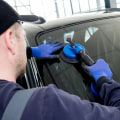
As an expert in the insurance industry, I am often asked about the details of car glass claims and whether or not deductibles apply. The short answer is yes, you will have to pay a deductible for windshield replacementwindshield replacement if you use your comprehensive or collision coverage. However, there are some exceptions and variations depending on your state's laws and your insurance policy. Let's dive into the details to help you better understand how deductibles work for car glass claims. While deductibles do apply for windshield replacement, many insurance companies exempt them for minor repairs.
This means that if your windshield can be repaired instead of replaced, you may not have to pay a deductible. Additionally, some states have laws in place that require insurers to waive deductibles for both repairs and replacements. For example, Florida's windshield replacement law exempts deductibles for broken windshields if the driver has comprehensive coverage. If you do have to pay a deductible for a car glass claim, the most you will have to pay is the deductible amount. Your insurance should cover the rest of the bill as long as the damage qualifies for coverage.
This means that even if your windshield replacement costs more than your deductible, you will not have to pay any additional out-of-pocket expenses. If you have comprehensive coverage, then you should have coverage for auto glass repair, including full windshield replacement. This type of coverage is typically included in comprehensive policies and is designed to protect against damage from things like vandalism, theft, and natural disasters. In addition to comprehensive coverage, having collision coverage can also provide coverage for car glass repairs and replacements. This type of coverage is designed to protect against damage from collisions with other vehicles or objects. So, if you have both comprehensive and collision coverage, you should have coverage for car glass repairs and replacements. In some states, such as Connecticut, Minnesota, and New York, you can purchase full glass coverage as a supplement to your comprehensive insurance.
This type of coverage exempts you from paying a deductible for glass repair or replacement. If you live in one of these states and frequently experience damage to your car's glass, this may be a worthwhile investment. When it comes to getting your car's glass repaired or replaced, we recommend using Safelite AutoGlass or one of its affiliated repair shops. Safelite is the largest automotive glass replacement company in the country and has a reputation for providing high-quality service. If you have GEICO insurance, the following guide will help you understand how the company can assist you with your car glass claim. Keep in mind that filing a claim for glass damage may result in an increase in your rates, as it indicates that you are at a higher risk for future claims. In summary, deductibles do apply for car glass claims if you use your comprehensive or collision coverage.
However, there are exemptions and variations depending on your state's laws and your insurance policy. It's important to understand your coverage and options when it comes to car glass repairs and replacements. By following our recommendations and understanding the claim process, you can make informed decisions and ensure that your car's glass is properly taken care of.