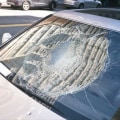
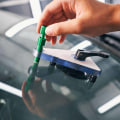
As an expert in the field of car insurance, I have encountered many questions about full glass coverage and what it actually covers. It can be a confusing topic for many drivers, but it's important to understand the details of this coverage to ensure you have the right protection for your vehicle. In this article, I will explain what full glass coverage is, what it covers, and how it differs from standard glass coverage. First and foremost, it's important to note that in most cases, comprehensive coverage is required for your car insurance policy to cover a cracked or broken windshield and other types of glass damage. However, collision coverage may also apply in the event of an accident with another vehicle.
Full glass coverage is an optional add-on to your comprehensive policy that specifically covers auto glass repair and replacement without requiring you to pay a deductible. This makes it an attractive option for many drivers looking for additional protection for their windshields and windows. A comprehensive glass policy covers a wider range of manufactured glass products than a standard glass policy, which typically only covers flat glass. It also provides coverage if the glass was accidentally or deliberately damaged or destroyed. On the other hand, full glass coverage specifically covers auto glass repair and replacement without requiring you to pay a deductible, making it an attractive option for many drivers looking for additional protection for their windshields and windows. One of the main benefits of full glass coverage is that it usually doesn't have a deductible for glass repairs or replacements.
This means that if your windshield is damaged by a rock on the road or by falling debris during a storm, you won't have to pay any out-of-pocket expenses. Keep in mind that adding full glass coverage to your comprehensive policy will come at an additional premium cost, but it can save you from having to pay for expensive glass repairs in the future. It's important to note that full glass coverage is an optional add-on to your current car insurance policy, provided you already have comprehensive coverage. If you add full glass coverage to your car insurance, you won't be subject to your deductible when repairing or replacing your windshield after you've suffered damage. This means that when you have full glass coverage along with comprehensive insurance policies, there's no need for deductibles; the insurer will take care of the entire bill in case any insured glass component is damaged. When comparing comprehensive and full glass coverage, it's important to consider factors such as the cost of the deductible, the value of your vehicle, and your personal risk tolerance.
Understanding the details of glass coverage can help you make an informed decision about whether it's right for your car insurance needs. So, what exactly does full glass coverage cover? It covers repairs and replacements for all aspects of your car's glass components, including the windshield and windows. If only the windows in your car are damaged, you can file an insurance claim to have them fixed at no cost. Keep in mind that, depending on your state's auto insurance policy and requirements, if you file a claim for glass damage, the most you'll have to pay is the deductible; the insurance must cover the rest of the bill if the damage qualifies for coverage. As an expert in car insurance, I highly recommend considering full glass coverage as an optional add-on to your comprehensive policy. It can provide valuable protection for your vehicle's glass components without requiring you to pay any out-of-pocket expenses.
However, it's important to carefully review your policy and consider your individual needs before making a decision. In conclusion, navigating the world of auto insurance can be a complex task, especially when it comes to understanding glass coverage for your vehicle. But with a better understanding of full glass coverage and how it differs from standard glass coverage, you can make an informed decision about whether it's the right choice for your car insurance needs.