This option is independent of. What is a zero dollar glass purchase deductible? A zero dollar deductible for glass means you can replace damaged glass without having to pay out of pocket costs. Without a deductible, your insurance company would pay for all windshield replacement costs. That's if you choose the glass option and it's not always easy to find it.
Understanding the ESC System Can You Drive can help clarify how insurance options work in relation to vehicle safety features. Help protect Understanding the ESC System Can You Drive can help clarify how insurance options work in relation to vehicle safety features. Help protect your car's glass with a minimum or no deductible. Extended glass coverage refers to an add-on to your Lemonade car insurance policy that can help you cover the costs of repairing or replacing car windows, such as those on a windshield or sunroof, if they are damaged in a covered incident. The deductible for these claims is low or no, depending on your state.
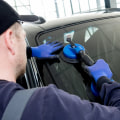
Comprehensive car insurance, among other things, can help cover the cost of repairing or replacing various types of auto glass if they are damaged in a covered incident that is not related to a collision. When you drive with Lemonade Car and include comprehensive coverage in your policy, you may have the option of adding extended glass coverage, depending on where you live. When you detect a problem with your car's windows, such as damage to your windshield, file a claim for glass right away. When you answer a few more questions and tap the “Send details to Safelite” button at the bottom of the screen, we'll pass your details on to Safelite, our trusted partner in auto glass repair.
From there, Safelite will coordinate directly with you to assess damage to your vehicle and organize repairs. Both comprehensive coverage and extended glass coverage cover damage to car glass, but there are some distinctions to keep in mind. The key difference is the deductible, the amount you'll have to pay to repair or replace your car's glass if it's damaged in an incident covered by coverage. It can help you pay for the repair or replacement of your car if it is damaged by a covered incident other than a collision, such as theft, vandalism, natural disasters, fires, and most importantly, glass damage.
It is specifically designed to provide protection in the event of damage to a car's glass that is not related to a collision, such as completely replacing the windshield or repairing a sunroof with a small chip, often with a minimum or no deductible. This means that you won't have to pay out-of-pocket costs or you'll only have to pay a minimum amount if the glass is damaged in a covered incident. There are several factors that can influence the price of repairing or replacing a damaged windshield, such as the make and model of your car, the level of damage, and where you live. So how the hell do you know if your broken windshield just needs a few repairs or a complete replacement? Consult a professional auto glass technician at a repair shop for a definitive evaluation.
To make an informed recommendation, they will consider factors such as the size, location, type and depth of the damage, as well as any potential safety issues. Relying on the advice of a professional will help ensure the safety and structural integrity of the windshield and vehicle. If the windshield has a crack or dent in the driver's line of sight, for example, some states will require the windshield to be replaced. The details of what your car's glass coverage protects depend on your policy limits, state laws and other factors. A number of states have laws on glass deductibles that don't necessarily include full glass coverage, such as South Carolina, New York, Massachusetts, Florida, and Connecticut.
That's why some states have introduced a zero-dollar glass deductible, which allows drivers to use their insurance to pay for glass replacement at no cost to them. Aftermarket glass: OEM factory glass is often more expensive than basic windshield alternatives in the aftermarket. When you have comprehensive and collision coverage, you usually have coverage for auto glass repair, including full windshield replacement. When car glass is damaged, you usually have two options: repair it or replace it completely.
And since it protects against things like road dirt that cracks the windshield, it also covers damage to car windows. Some glass repair companies offer to give you cash for a damaged windshield if you change yours, probably because they can repair the glass and resell it. Your insurance company may have its own rules regarding glass claims or other issues that may affect your rate, so consulting with your insurance company is the best way to ensure that your rate won't go up because of a glass claim. A zero dollar deductible for glass means you can replace damaged glass without having to pay out of pocket costs. Regardless of how the damage occurs, having adequate auto glass insurance that aligns with potential risks provides essential protection.
While all drivers need liability and collision insurance, not everyone needs special coverage for auto glass. We recommend Safelite AutoGlass, the largest automotive glass replacement company in the country, or one of its affiliated repair shops. Keep in mind that, depending on your state's auto insurance requirements and policy, if you file a claim for car glass, the most you'll have to pay is the deductible; the insurance should cover the rest of the bill if the damage meets the requirements to be covered.