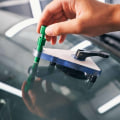
As an insurance expert, I am often asked about the details of full glass coverage and the significance of having a $1000 deductible. Many drivers are unsure about what exactly is covered under their personal auto policy and how it affects their insurance rates. In this article, I will break down the concept of full glass coverage and explain how it works. First and foremost, full glass coverage means that any damage to the glass on your entire vehicle will be covered by your insurance without having to pay a deductible. This includes not only your windshield, but also your windows and other glass components of your car.
This type of coverage is crucial because it protects against unexpected events such as road debris or dirt that can cause cracks or chips in your windshield. It's important to note that the specifics of your glass coverage may vary depending on your policy limits, state laws, and other factors. However, one thing remains consistent - the importance of choosing a reputable auto glass repair shop. It's crucial to choose a shop that is recognized by most insurance companies and prioritizes customer satisfaction. Having adequate auto glass insurance is essential because it provides protection against potential risks. If your car only has damage to its glass components, you can file an insurance claim and have the repairs done at no cost to you. When faced with damaged glass, you typically have two options - repair or replace.
While liability and collision insurancecollision insurance are necessary for all drivers, not everyone needs special coverage for their car's glass.
Comprehensive glass coverage
means that your insurance will cover any damage to the glass on your entire vehicle, but you will still be responsible for paying a deductible. On the other hand, full glass coverage takes it one step further by providing protection without any out-of-pocket costs for the customer. One common concern among drivers is whether filing an auto glass insurance claim will result in an increase in their insurance rates. The answer is no - as long as you have full coverage, you will not see an increase in your rates when repairing damaged glass.This is because the customer pays nothing out of pocket for the repairs. It's also worth noting that there are different types of glass that can be used for repairs.