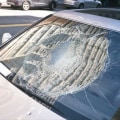
As an expert in the field of auto insurance, I have seen many drivers struggle to understand the difference between comprehensive coverage and full glass coverage. It's a common misconception that these two types of coverage are the same, but in reality, they offer different levels of protection for your vehicle's glass components. In this article, I will explain what full glass insurance is and why it can be a valuable addition to your auto policy. Full glass insurance is an optional endorsement or add-on that you can add to your comprehensive policy. It is specifically designed to cover all aspects of glass repair and replacement without requiring you to pay a deductible.
This means that if any of the components of your auto glass are damaged, your insurer will take care of the entire bill. This can provide peace of mind for drivers who want to avoid out-of-pocket costs for unexpected window problems. However, it's important to note that this additional level of protection may result in slightly higher monthly premiums compared to comprehensive coverage alone. Therefore, deciding between these two types of coverage depends largely on personal preferences and budgetary constraints. Some drivers may prefer to save more money upfront by opting only for comprehensive coverage, while others may see the value in investing more for added peace of mind. One of the main benefits of full glass coverage is that it specifically addresses the repair and replacement of This means that if any of the components of your auto glass are damaged, your insurer will take care of the entire bill. This can provide peace of mind for drivers who want to avoid out-of-pocket costs for unexpected window problems. However, it's important to note that this additional level of protection may result in slightly higher monthly premiums compared to comprehensive coverage alone. Therefore, deciding between these two types of coverage depends largely on personal preferences and budgetary constraints. Some drivers may prefer to save more money upfront by opting only for comprehensive coverage, while others may see the value in investing more for added peace of mind. One of the main benefits of full glass coverage is that it specifically addresses the repair and replacement of auto glass without requiring you to pay a deductible.
This makes it an attractive option for many drivers looking for additional protection for their windshields and windows. For example, if your windshield is damaged by a rock on the road or debris falling during a storm, full glass coverage would cover the repair or replacement costs without any out-of-pocket expenses on your part. It's important to note that full glass coverage is not required, but it can be a valuable addition to your policy. This is especially true if you live in an area that covers roads with sand in the winter, which can cause cars in front of you to kick up stones. In most cases, adding full glass coverage is affordable and worth the additional investment each month. A comprehensive glass policy is an insurance policy that covers different types of glass products that can break or be damaged.
This includes windshields, windows, mirrors, and lights. It provides coverage for accidental or deliberate damage to your vehicle's glass components. This means that if your car only has glass damage, you can file an insurance claim to repair or replace the glass at no cost to you. Comprehensive coverage, also known as “non-collision” coverage, is a type of auto insurance that includes glass coverage. Filing a claim for auto glass repair or replacement typically does not result in higher insurance premiums.
A comprehensive policy covers a wider range of manufactured glass products than a standard glass policy, which usually only covers flat glass. While both comprehensive coverage and full glass coverage provide protection against various types of damage to car glass components, they differ in terms of deductible requirements and the degree of protection offered. If your car's windshield or other glass is damaged, your comprehensive insurance policy may cover the full cost of repair or replacement. The decision to file an auto glass insurance claim depends on your policy, the deductible, and the total cost of the repair. Navigating the world of auto insurance can be a complex task, especially when it comes to understanding glass coverage for your vehicle.
But with full glass insurance, you won't have to worry about paying a deductible for windshield repairs or replacements. In conclusion, full glass insurance is an optional add-on that can provide valuable protection for your vehicle's glass components without requiring you to pay a deductible. It offers peace of mind for drivers who want to avoid out-of-pocket expenses for unexpected window problems. While it may result in slightly higher monthly premiums, the added protection can be worth the investment for many drivers. I hope this article has helped you understand the benefits of full glass insurance and how it differs from comprehensive coverage.
As always, it's important to carefully consider your personal preferences and budget when choosing the right coverage for your unique needs as a driver.