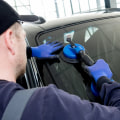
As an expert in the field of auto insurance, I have seen firsthand the confusion and frustration that many drivers face when it comes to understanding their coverage options. One area that often causes confusion is glass coverageglass coverage for vehicles. In this article, I will explain the difference between comprehensive coverage and full glass coverage, and why having full glass coverage can provide maximum peace of mind for drivers, especially considering the Minimum Car Insurance Required in New York.First, let's define these two types of coverage. , and why having full glass coverage can provide maximum peace of mind for drivers, especially considering the Minimum Car Insurance Required in New York. First, let's define these two types of coverage.
Comprehensive coverage
is a standard part of most auto insurance policies and covers damage to your vehicle that is not caused by a collision.This can include things like theft, vandalism, and natural disasters. On the other hand, full glass coverage is an optional add-on that specifically covers all aspects of glass repair and replacement without requiring you to pay a deductible. One of the main benefits of full glass coverage is that it covers the entire cost of repairs or replacements for any glass on your vehicle, including windshields, windows, and mirrors. This means that if you have a small chip or crack in your windshield, your insurance company will cover the cost of resin injections or other repairs without you having to pay anything out of pocket. This not only saves you money but also ensures that your vehicle is safe to drive. Another important factor to consider is the type of vehicle you drive.
Luxury cars and vehicles with complex windshield shapes can be expensive to repair or replace. With full glass coverage, you won't have to worry about these high costs as your insurance company will cover them in full. It's also worth noting that driving with cracked car windows is not only unsafe but also often violates state laws. Having full glass coverage can help you avoid any legal issues while also keeping you and your passengers safe on the road. When it comes to choosing between comprehensive coverage and full glass coverage, it's important to consider your specific needs and budget. While comprehensive coverage does extend to glass damage, it does require you to pay a deductible.
On the other hand, full glass coverage does not have a deductible, making it a more cost-effective option in the long run. One thing to keep in mind is that aftermarket glass is often cheaper than OEM factory glass. However, with full glass coverage, you can rest assured that your insurance will cover the cost of OEM factory glass if needed. This is important as OEM glass is often of higher quality and provides better protection for your vehicle. It's also worth mentioning that not all drivers need special coverage for car glass. If you live in an area with minimal risk of glass damage or have a vehicle with a low value, you may not need full glass coverage.
However, for those who want maximum protection and peace of mind, adding full glass coverage to your policy is highly recommended. Some states have laws that prohibit insurance companies from applying a deductible to comprehensive glass claims. This means that if you live in one of these states, having full glass coverage can save you even more money in the event of glass damage. In conclusion, as an expert in auto insurance, I highly recommend considering full glass coverage for your vehicle. It provides an extra layer of protection and can save you money in the long run. If you do decide to add full glass coverage to your policy, I recommend using a reputable company like Safelite AutoGlass or one of its affiliated workshops for any repairs or replacements.